SAP and plastic are both called high-molecular materials. Are their compositions the same? No – and the difference is considerable.
Plastics (polyethylene, polypropylene, polyvinyl chloride, and similar) have carbon-hydrogen chains that are not hydrophilic. Plastic does not fear water – it is waterproof – and is used for bottles, bags, and pipes. Its features are moldability and meltability: it softens when heated and sets when cooled.
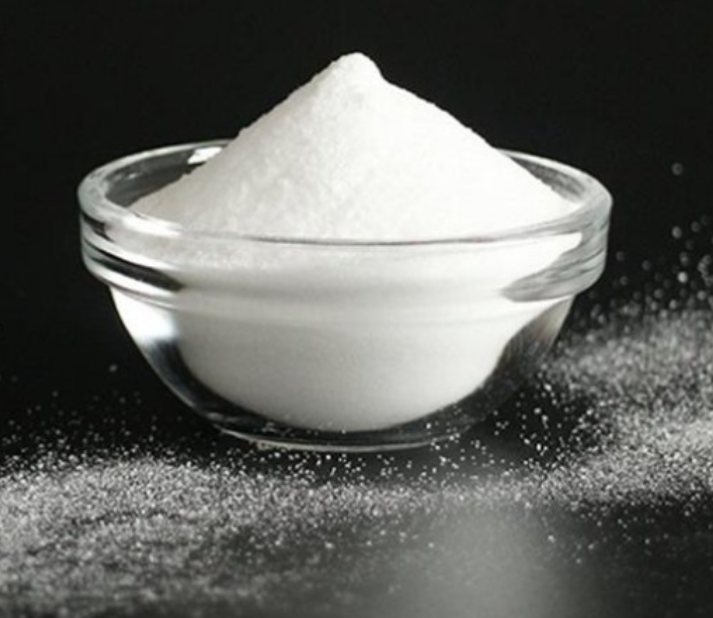
SAP (sodium polyacrylate) carries large numbers of sodium carboxylate hydrophilic groups on its chains, swelling and locking water when wet. Moreover, it has a crosslinked structure that does not melt when heated – it only decomposes – and cannot be molded like plastic.
One is hydrophobic and waterproof; the other is hydrophilic and water-absorbing. One can be melted and shaped; the other swells in water. Although both are high-molecular materials, their chemical structures and functional directions are completely opposite.
So stop asking whether SAP is made of plastic. The two are brothers with completely different personalities in the polymer family, each doing their own job.

florpoly
Zhengzhou Flor New Materials Co., Ltd. specializes in SAP super‑absorbent polymer products. Serving personal hygiene, agriculture & horticulture, pet supplies and other industries, we leverage supply‑chain resources to provide particle‑size selection, performance matching and customized solutions based on clients’ practical requirements.






