People always worry that SAP is toxic. In the materials industry, the word toxicity is defined by standards and testing, not by feelings.
Qualified SAP controls three things during production. The first is residual monomer. SAP is polymerized from monomers such as acrylic acid; incomplete polymerization leaves residual monomer, which only becomes harmful when the amount exceeds limits – hence clear limit standards. The second is impurities such as heavy metals, introduced in tiny amounts by raw materials and production equipment; these are also monitored by specific tests. The third is additives – the initiators and crosslinking agents in the formula must also be safe choices.
These indicators are not determined by what the manufacturer claims. They must be verified by reports from third-party testing institutions. For food-grade and medical-grade resin, every limit is extremely strict, which is also why it costs more than industrial grade.
So, whether SAP is toxic depends on which grade you use and whether test data backs it up. If a reputable manufacturer dares to show its reports, it means the product can withstand scrutiny.
When buying materials, trust the test reports – that beats everything.
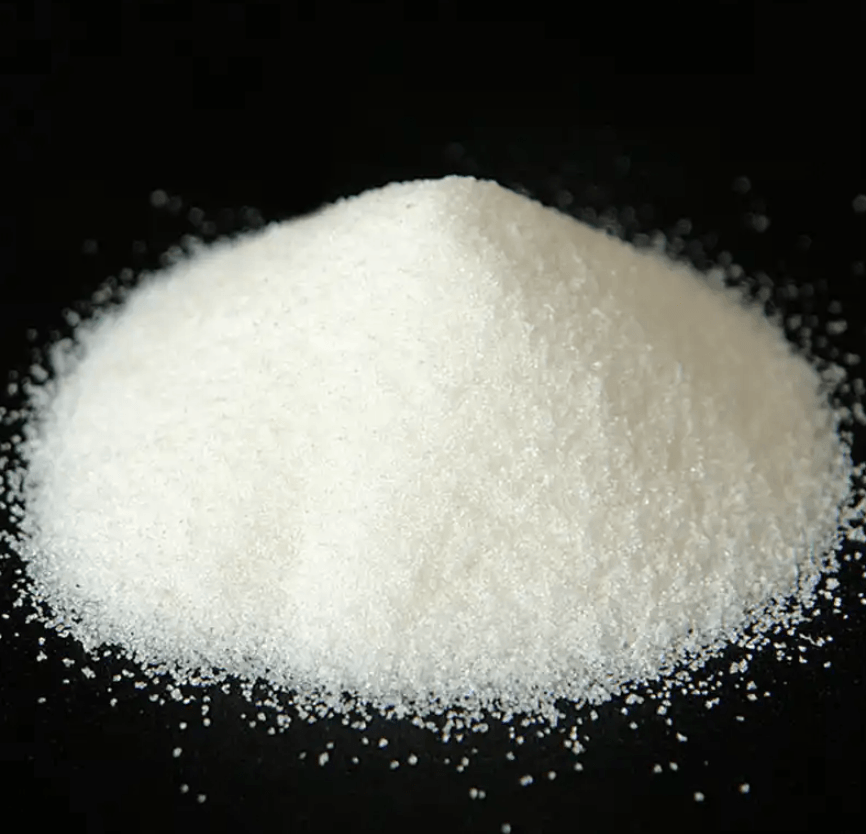

florpoly
Zhengzhou Flor New Materials Co., Ltd. specializes in SAP super‑absorbent polymer products. Serving personal hygiene, agriculture & horticulture, pet supplies and other industries, we leverage supply‑chain resources to provide particle‑size selection, performance matching and customized solutions based on clients’ practical requirements.






