The principle of polymer water-absorbing resin is actually not complicated once explained. It relies on two things: hydrophilic groups and a three-dimensional network.
First, the hydrophilic groups. The resin’s molecular chains carry large numbers of hydrophilic groups such as carboxylate. Drop them into water, the groups ionize and create osmotic pressure, and water molecules rush into the resin as if pulled by a pump. This is the driving force of absorption.
Second, the three-dimensional network. The molecular chains are connected by crosslinking agents to form an elastic web. Water comes in and the network swells; the crosslink points act like knots that keep the network from falling apart and lock water in the grids. This is the reason for water locking.
Resin without crosslinking dissolves once it absorbs water; if crosslinked too tightly, it cannot absorb much. So crosslink density is one of the most critical control points in the formula.
Once you understand these two mechanisms, you understand why resin from different manufacturers and formulas differs so much in absorption performance – and why you should compare both water absorption ratio and water retention rate, not just one indicator.
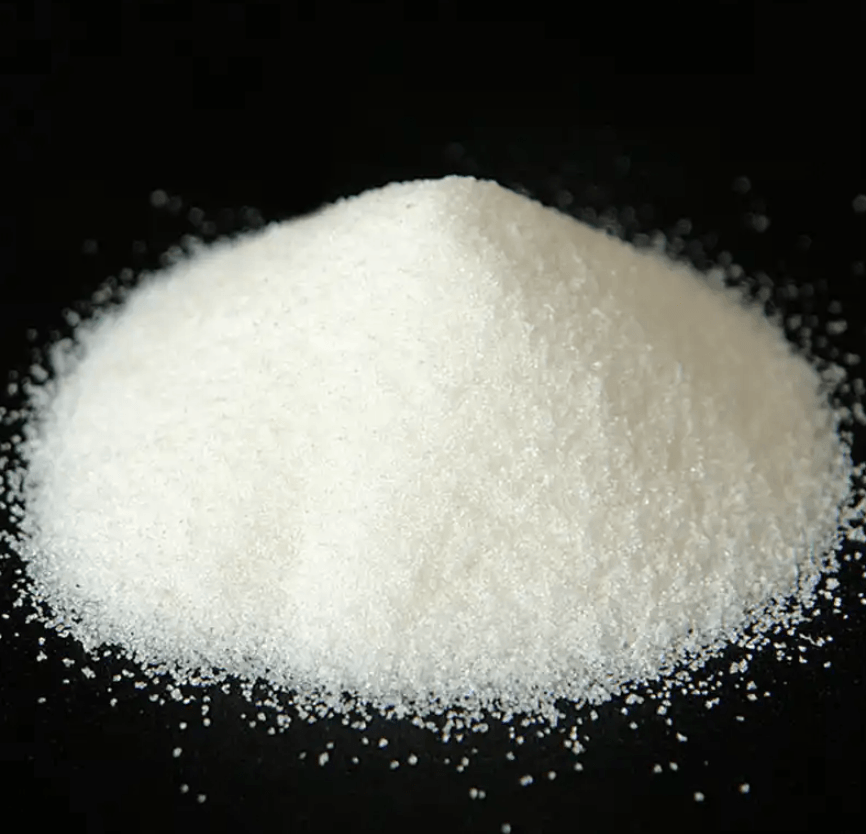

florpoly
Zhengzhou Flor New Materials Co., Ltd. specializes in SAP super‑absorbent polymer products. Serving personal hygiene, agriculture & horticulture, pet supplies and other industries, we leverage supply‑chain resources to provide particle‑size selection, performance matching and customized solutions based on clients’ practical requirements.





