Those in fresh food e-commerce know that absorbent pads sit directly under meat and seafood. Blood water is absorbed into the pad, and the pad stays in close contact with the food, so whether it can touch food is the first question to ask when purchasing.
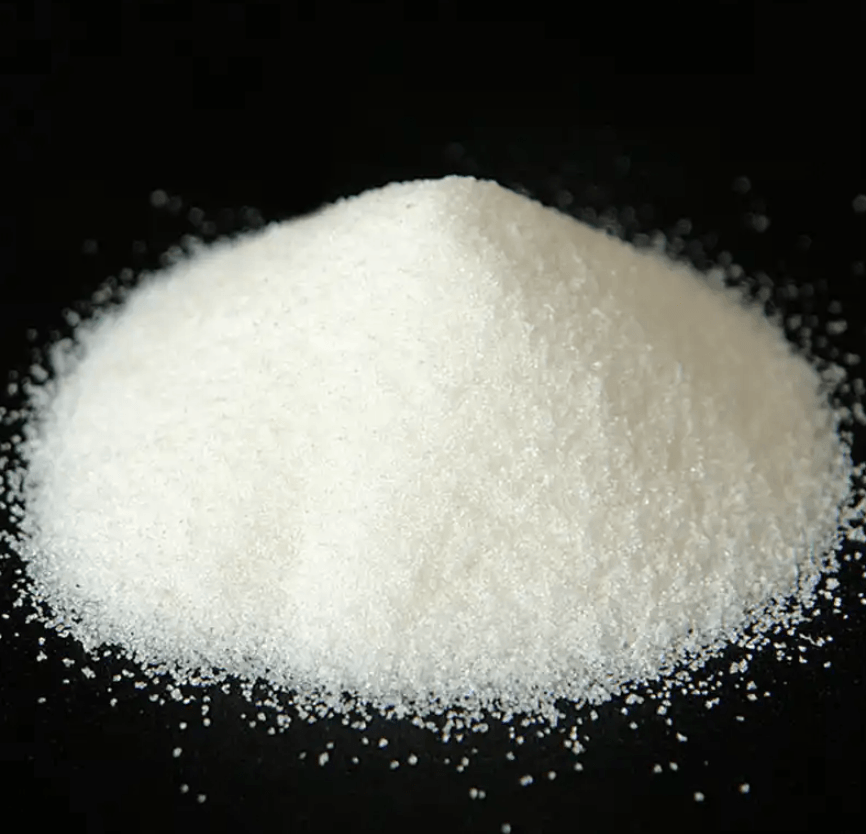
The answer depends on the grade of the resin. Fresh food absorbent pads must use food-contact grade SAP. This type of resin is governed by dedicated national standards requiring tests for migration, residual monomers, microbes, and other indicators, to ensure that harmful substances are not transferred to food during contact.
How do you judge whether the manufacturer’s material is qualified? First, check the test report – food-contact grade products must be able to produce third-party test data. Second, inspect the finished pad: qualified pads have no odor, no powder shedding, and no fluorescent agents. Third, you can run a simple verification yourself – place moist food on the pad to simulate storage and check for odor or abnormal color.
One more detail: the PE film on the bottom layer of the pad must also be food grade. The whole supply chain’s materials must match the grade – it is not enough for just the resin to be qualified.
In fresh food consumables, food safety is the bottom line. When selecting suppliers, always ask whether they use food-grade resin and whether the reports can be reviewed. That money is never wasted.

florpoly
Zhengzhou Flor New Materials Co., Ltd. specializes in SAP super‑absorbent polymer products. Serving personal hygiene, agriculture & horticulture, pet supplies and other industries, we leverage supply‑chain resources to provide particle‑size selection, performance matching and customized solutions based on clients’ practical requirements.






