Some assume SAP is a natural material extracted from plants; others think it is purely chemical. The truth lies in between – the mainstream is synthetic, with natural-modified routes also existing.
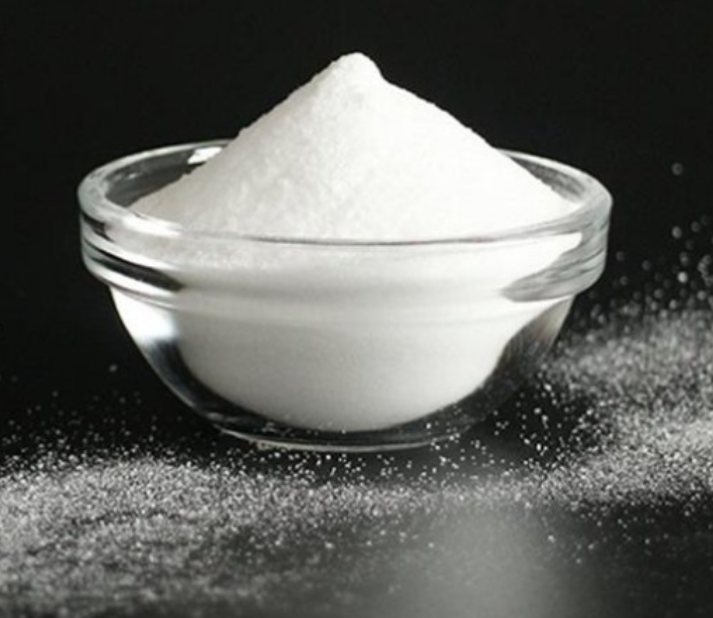
The largest-volume SAP on the market is sodium polyacrylate, a synthetic high-molecular material with petrochemical origins. It is stable, has a high absorption ratio, and controllable costs, holding the biggest market share.
Then there are starch-based and cellulose-based SAP: using natural raw materials like corn or cassava starch as the skeleton, grafted with acrylic acid monomer – semi-natural, semi-synthetic. Its advantages are renewable raw materials, good biocompatibility, and lower cost, but absorption ratio and stability are usually below pure synthetic systems.
Some agricultural retention agents marketed for environmental friendliness and degradability may use the starch-based type.
So is SAP natural or synthetic? The answer: the mainstream is synthetic, with natural-modified options available. Whether you want performance or an eco label, choose by need.

florpoly
Zhengzhou Flor New Materials Co., Ltd. specializes in SAP super‑absorbent polymer products. Serving personal hygiene, agriculture & horticulture, pet supplies and other industries, we leverage supply‑chain resources to provide particle‑size selection, performance matching and customized solutions based on clients’ practical requirements.





