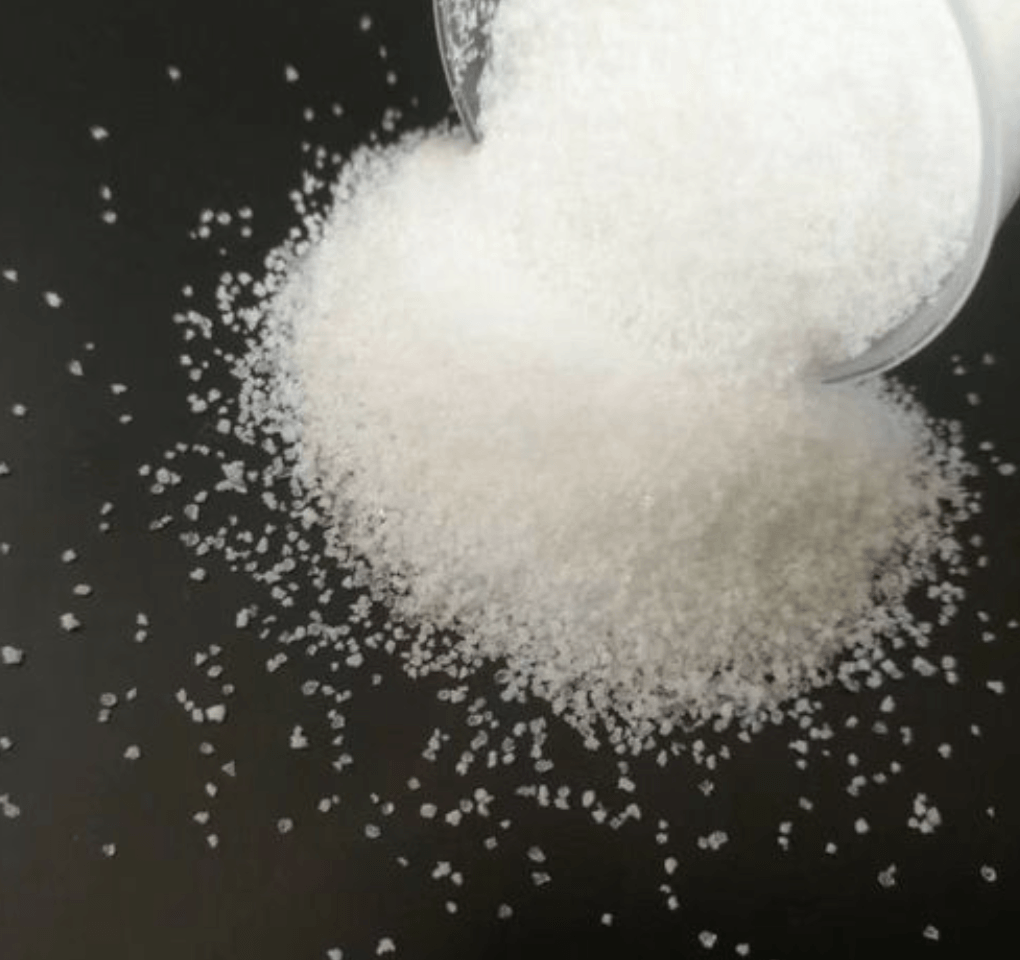
To outsiders, SAP production looks like just a pile of white powder, but the process actually has plenty of know-how. The mainstream method is aqueous solution polymerization, roughly in the following steps.
The first step is solution preparation: neutralize acrylic acid into sodium acrylate (or potassium acrylate), and add crosslinking agents and initiators per the formula to make the reaction solution. Neutralization degree control is critical and directly affects final absorption performance.
The second step is polymerization: the reaction solution enters polymerization equipment and rapidly polymerizes into a large block of transparent gel under the action of the initiator. If temperature and reaction speed are not controlled well at this step, performance is ruined.
The third step is cutting and drying: cut the gel block into small granules and dry with hot air. Drying at too high a temperature burns and yellows the material; too low leaves it under-dried, and excessive moisture content shortens shelf life.
The fourth step is sieving and packaging: dry material is screened into different particle sizes, tested for qualification, and packaged by specification. Moisture-proofing is needed throughout, because the finished product is extremely afraid of water.
It sounds simple, but every parameter in each step is tuned through long-term accumulation. This is also the gap between major manufacturers and small workshops. Zhengzhou Florel New Materials has mature SAP processes, stable batches, and welcomes customers to visit the factory.

florpoly
Zhengzhou Flor New Materials Co., Ltd. specializes in SAP super‑absorbent polymer products. Serving personal hygiene, agriculture & horticulture, pet supplies and other industries, we leverage supply‑chain resources to provide particle‑size selection, performance matching and customized solutions based on clients’ practical requirements.





